
CTE Resources
Know the symptoms and risk factors associated with CTE.
What is CTE?
Chronic Traumatic Encephalopathy (CTE) is a degenerative brain disease found in athletes, military Veterans, and others with a history of repetitive brain trauma. Caused in part by repeated traumatic brain injuries, including both concussions and nonconcussive impacts, CTE involves the progressive misfolding and spread of a protein called tau, which slowly damages and kills brain cells. Symptoms can include cognitive difficulties such as memory loss and impaired judgment, mood and behaviour changes like depression and aggression, and sleep disturbances.
While CTE can currently only be definitively diagnosed after death, many of its symptoms are treatable, and ongoing research is bringing us closer to understanding who is most at risk and how to help those who may be living with the disease.
The Science of CTE
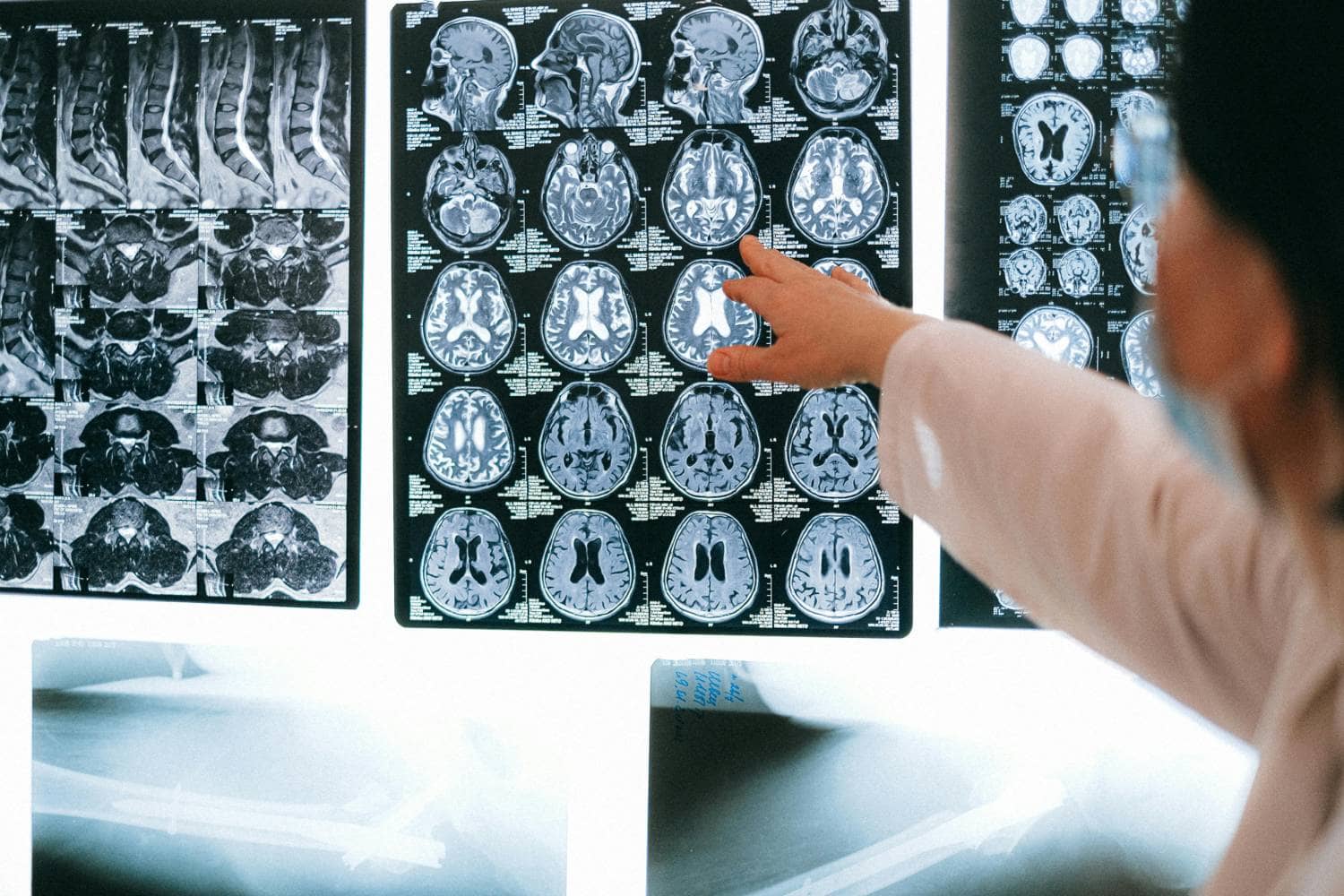
Understanding CTE begins with understanding the brain itself. Our neurons rely on tiny transportation structures called microtubules, supported by a protein called tau, to function properly. When the brain experiences repeated impacts, these delicate structures can break down, causing tau to misfold and spread throughout the brain in a chain reaction that gradually impairs and kills brain cells. Scientists are actively working to develop ways to diagnose CTE in living people, including promising advances in PET scanning, blood-based biomarkers, and genetics research. Continuing to advance research in these areas will be critical to unlocking future treatments and therapies.
Learn More About the Science
Nonconcussive Impacts
Many people are surprised to learn that CTE has been discovered in athletes who were never diagnosed with a concussion. The best available evidence suggests that nonconcussive impacts (hits to the head that don't produce concussion symptoms) are the primary driving force behind CTE, with the risk most closely linked to the total number and strength of head impacts experienced over a lifetime. Much like an overuse injury in sports, CTE appears to result from the gradual accumulation of microtrauma from thousands of hits over many years. Understanding and limiting nonconcussive impacts through smarter rules, safer practice structures, and age-appropriate contact policies is one of the most effective ways to make sports safer and reduce the risk of CTE.
Learn More About Those Impacts
Suspected CTE Treatments
While treatments have not yet been developed to specifically target CTE, many of the symptoms associated with the disease can be effectively managed. Under the care of the right specialist, such as a cognitive neurologist, neuropsychologist, or neuropsychiatrist, patients can benefit from a combination of lifestyle changes, behavioural therapies, and medications that address cognitive, mood, and sleep difficulties. Regular physical activity, a healthy diet, quality sleep, and cognitive engagement all play important roles in supporting brain health and improving quality of life for those living with suspected CTE.
Learn More About Treatments.jpg)
Caregiving for Suspected CTE
Those struggling with suspected CTE aren't the only ones who need support — caregivers face enormous challenges too. The demands of looking after a loved one with suspected CTE can be physically and emotionally overwhelming, and caregivers often put their own needs last.
Prioritizing self-care through regular exercise, stress reduction, social connection, and professional counselling is essential to staying strong for both yourself and your loved one. Whether you're navigating daily caregiving, managing crisis situations, or simply looking for others who understand your experience, resources and peer support are available to help you through this journey.

EXPLORE RESOURCES
CTE Support & Resources
Living with suspected CTE can be challenging, but it is not a death sentence. A growing library of resources, expert guidance, and peer support is available to help patients and caregivers navigate this journey with hope. If you are seeking support, we are here for you. Through the CLF HelpLine we provide free, personalized support to assist you so you don’t have to navigate this alone. The CLF HelpLine can help you navigate the system, identify providers in your geographical area, connect you with opportunities for peer support and provide educational resources that summarize the latest research through PDFs, short videos, and expert webinars. There are many ways to find the information and community you need to live a full and supported life.

%2520(1).jpg&w=1920&q=75)

.jpg&w=1920&q=75)
CLF HelpLine
JOURNEYS OF HOPE
Your Impact:
Stories of Courage
Below, you’ll find a gallery of stories of loss, recovery, community and hope to help patients and families who are struggling.

Mackenzie’s Year With PCS
Mackenzie recounts her year-long struggle with a concussion, detailing its profound impact on her life, the invisible weight of PCS, and her eventual path toward healing and hope.

.jpg)
.jpeg)
SUPPORT OUR MISSION
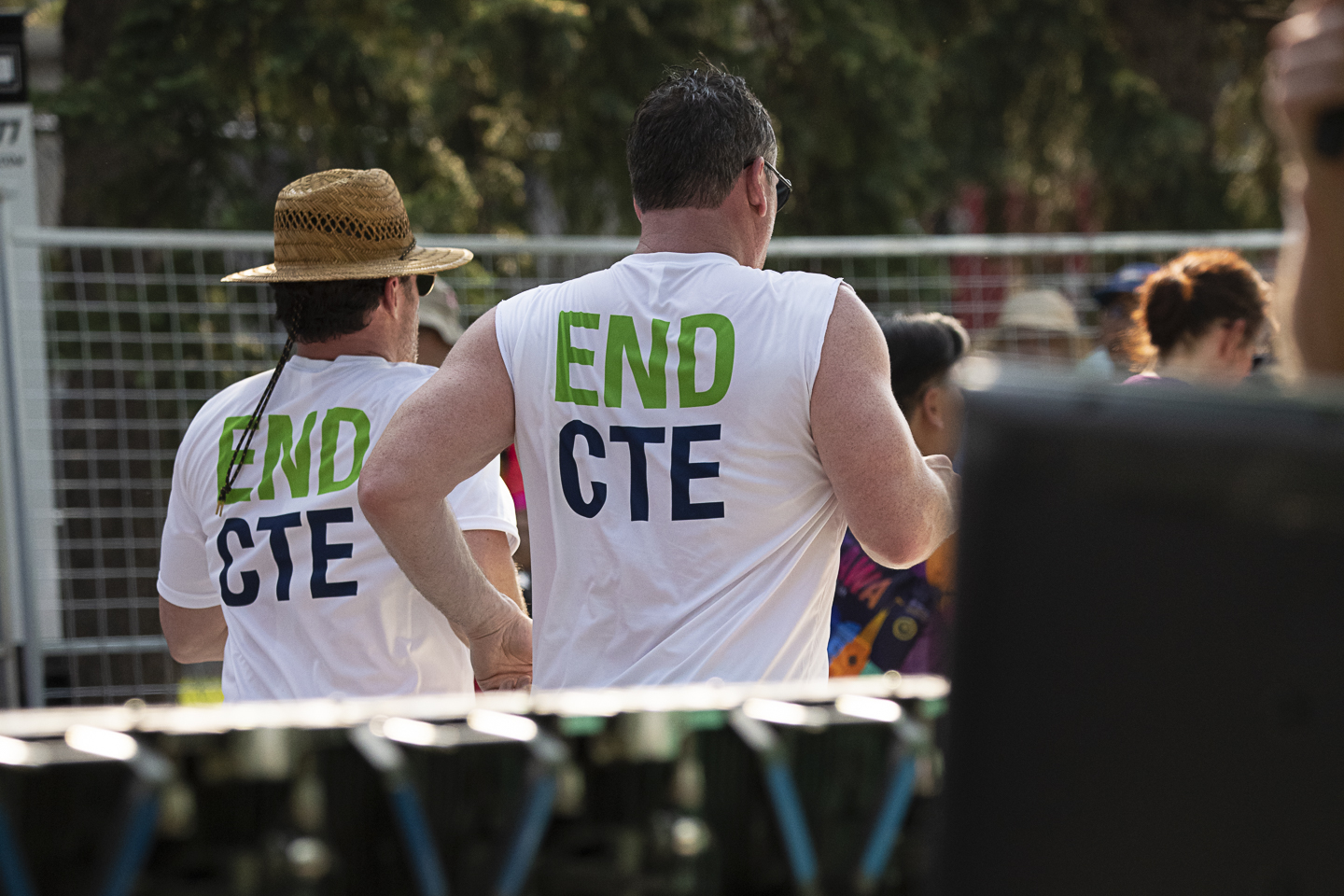
Help Us End CTE.Donate Today.
Your contribution directly fuels life-saving research and provides essential support to kids, Veterans, caregivers, athletes and families across Canada facing the challenges of brain injuries.