.jpg&w=1920&q=75)
Concussion Resources
Know the signs and symptoms of concussion and how to respond after an injury occurs.
What is a Concussion?
A concussion is a type of traumatic brain injury (TBI) caused by a bump, blow, or jolt to the head or by a hit to the body that causes the head and brain to move rapidly back and forth. This movement can alter brain tissue, disrupt chemical and metabolic processes, and produce a wide range of physical, cognitive, behavioural, and sleep-related symptoms. While concussions are rarely life-threatening, they must always be taken seriously: signs can range from obvious to subtle, may be delayed by hours or days, and vary significantly from person to person. With proper management, most people can expect a full recovery, but recognizing the signs early and seeking medical attention promptly are critical first steps.
.jpg)
Concussion Response
How you respond in the moments after a suspected concussion can have a significant impact on your recovery. Because concussions can't be diagnosed by a scan and symptoms may not appear right away, any blow to the head or body should be treated with caution. The key steps are straightforward: stop physical and cognitive activity immediately, seek evaluation from a healthcare professional, rest both your body and your brain, and monitor your symptoms closely over time. Most people recover within a month when a concussion is managed well from the start, but when mismanaged, the effects can be lasting. Download our comprehensive guide below for a step-by-step breakdown of what to do after a concussion.
.jpg)
Concussion Treatments
A concussion is a brain injury, and like any injury, it deserves proper care. For most people, adequate rest and a gradual return to activity under medical guidance will resolve symptoms within one month. However, because every concussion is different, early consultation with a healthcare provider is essential to developing the right recovery plan for you. If symptoms persist beyond one month, your doctor may recommend active treatment options such as physical therapy, vestibular therapy, vision therapy, or cognitive behavioural therapy (CBT). Understanding your options and avoiding common recovery mistakes like rushing back to activity or ignoring lingering symptoms puts you in the best position for a full recovery.
Learn More About Treatments.jpg)
EXPLORE RESOURCES
Concussion Resources & Support
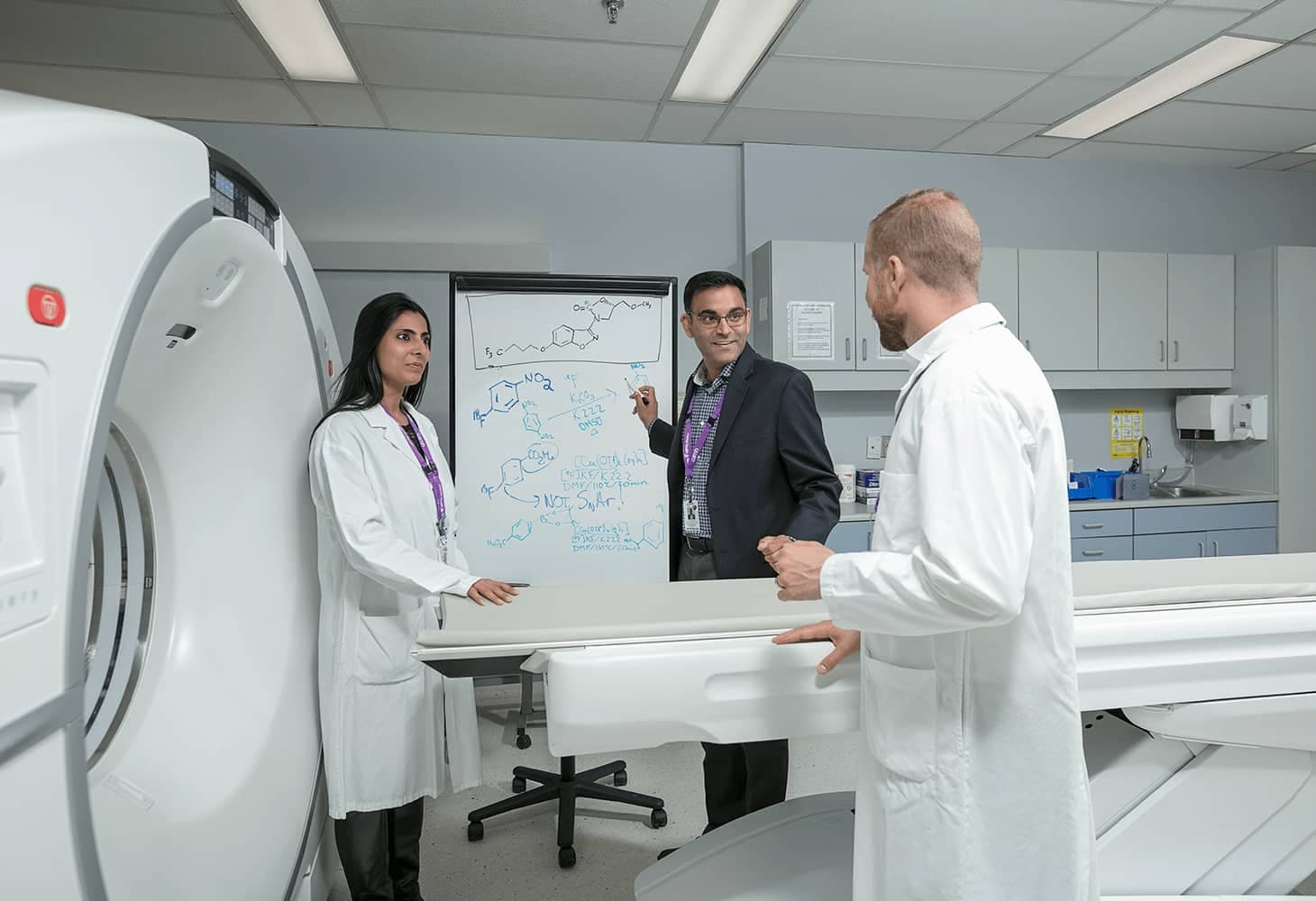
Navigating a concussion can feel overwhelming, but you don't have to do it alone. From understanding what a concussion is and how to respond, to finding the right specialist and exploring treatment options, there is a wealth of support available to patients and families at every stage of recovery. The CLF HelpLine offers free, personalized guidance to help you find concussion specialists, understand your symptoms, and access the resources you need. Whether you're looking for downloadable guides, expert-led video content, or inspiring stories from others who have been through it, comprehensive support is available and recovery is possible.
%2520(1).jpg&w=1920&q=75)
CLF HelpLine
JOURNEYS OF HOPE
Your Impact:
Stories of Courage
Below, you’ll find a gallery of stories of loss, recovery, community and hope to help patients and families who are struggling.

Mackenzie’s Year With PCS
Mackenzie recounts her year-long struggle with a concussion, detailing its profound impact on her life, the invisible weight of PCS, and her eventual path toward healing and hope.
.jpg)
.jpg)
SUPPORT OUR MISSION
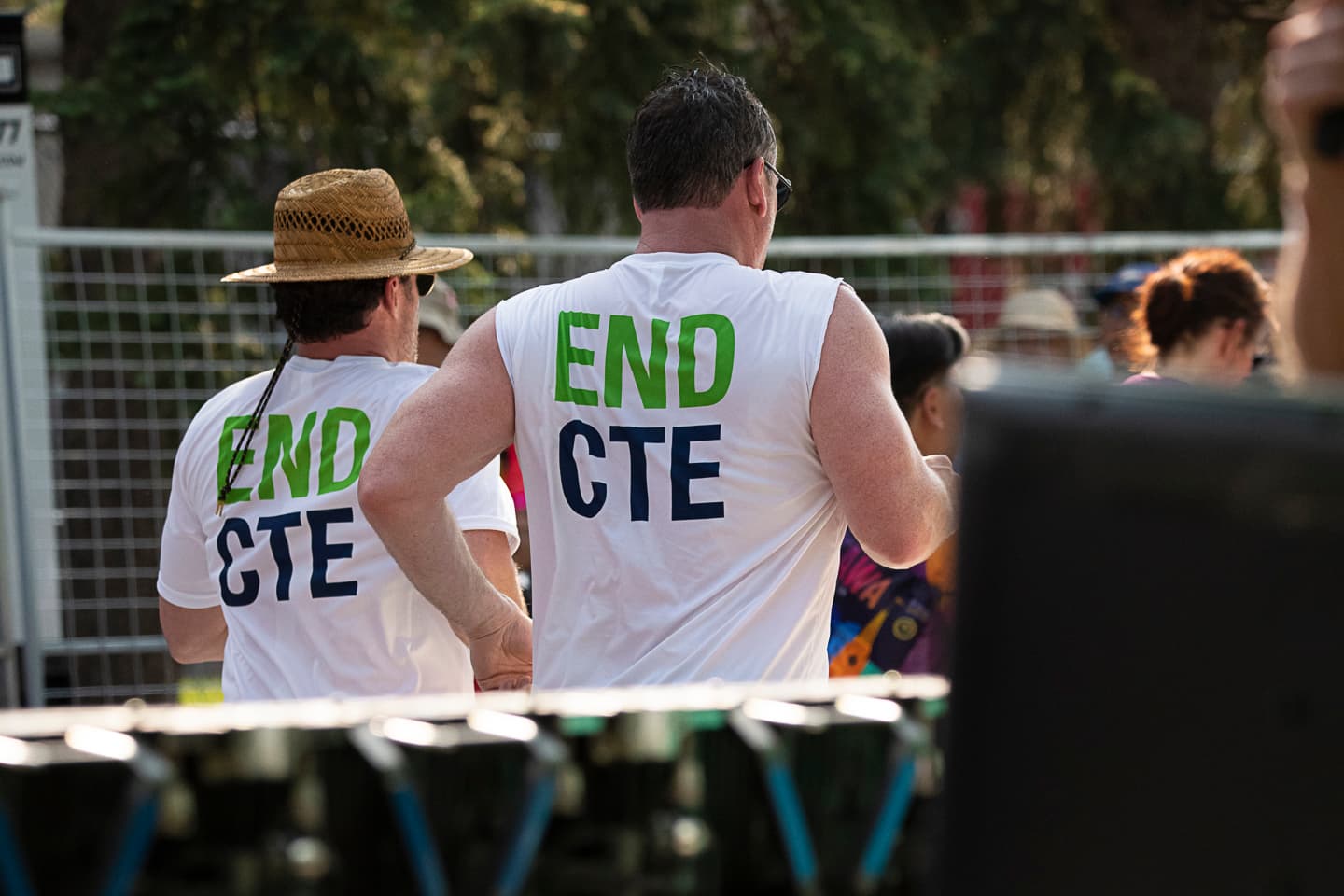
Help Us End Brain Injury.Donate Today.
Your contribution directly fuels life-saving research and provides essential support to kids, Veterans, caregivers, athletes and families across Canada facing the challenges of brain injuries.