
PCS Resources
Know the symptoms and risk factors associated with Post-Concussion Syndrome
What is PCS?
Post-Concussion Syndrome (PCS), also known as persistent post-concussion symptoms (PPCS), occurs when concussion symptoms last beyond the normal course of recovery (typically more than one month). Symptoms fall into four categories: cognitive, sleep, mood and behaviour, and physical, and can make everyday activities like school, work, and socializing a real challenge.
While estimates suggest roughly 20 percent of concussion patients may be diagnosed with PCS, certain groups, including athletes, military personnel, and accident victims, face higher risk. Recovery timelines vary from person to person, but with the right medical support and treatment, improvement is possible. If you're experiencing persistent symptoms, you're not alone and you will get better. We have a suite of resources and support offers to help you every step of the way.

Coping with PCS
Living with PCS is hard, but there are real, practical strategies that can help make day-to-day life more manageable. From practicing mindfulness and meditation to building a trusted support network, leaning on others, and finding new low-stimulation activities, there are many ways to take back some sense of control during your recovery. It's important to remember that recovery is not always linear. There will be good days and bad days and that's completely normal. Every person's experience with PCS is different, so finding what works for you may take some time and patience. Hang in there: the bad days do become fewer, and help is always available.
Learn Strategies to Recover
PCS Treatments
The good news is that PCS almost always improves with time and the right combination of therapies. Because PCS symptoms vary widely, treatment is rarely a one-size-fits-all approach. Treatment often involves an interdisciplinary team of providers working together to address your unique set of symptoms. Evidence-based options include vision therapy, vestibular therapy, physiotherapy, cognitive behavioural therapy (CBT), cognitive rehabilitation therapy, occupational therapy, neuropsychology, and more. It's important to be patient, as some therapies can take weeks to show results, and you may need to try a few approaches before finding what works best for you. Your healthcare team is your partner in this. Don't give up.
Learn More About Treatments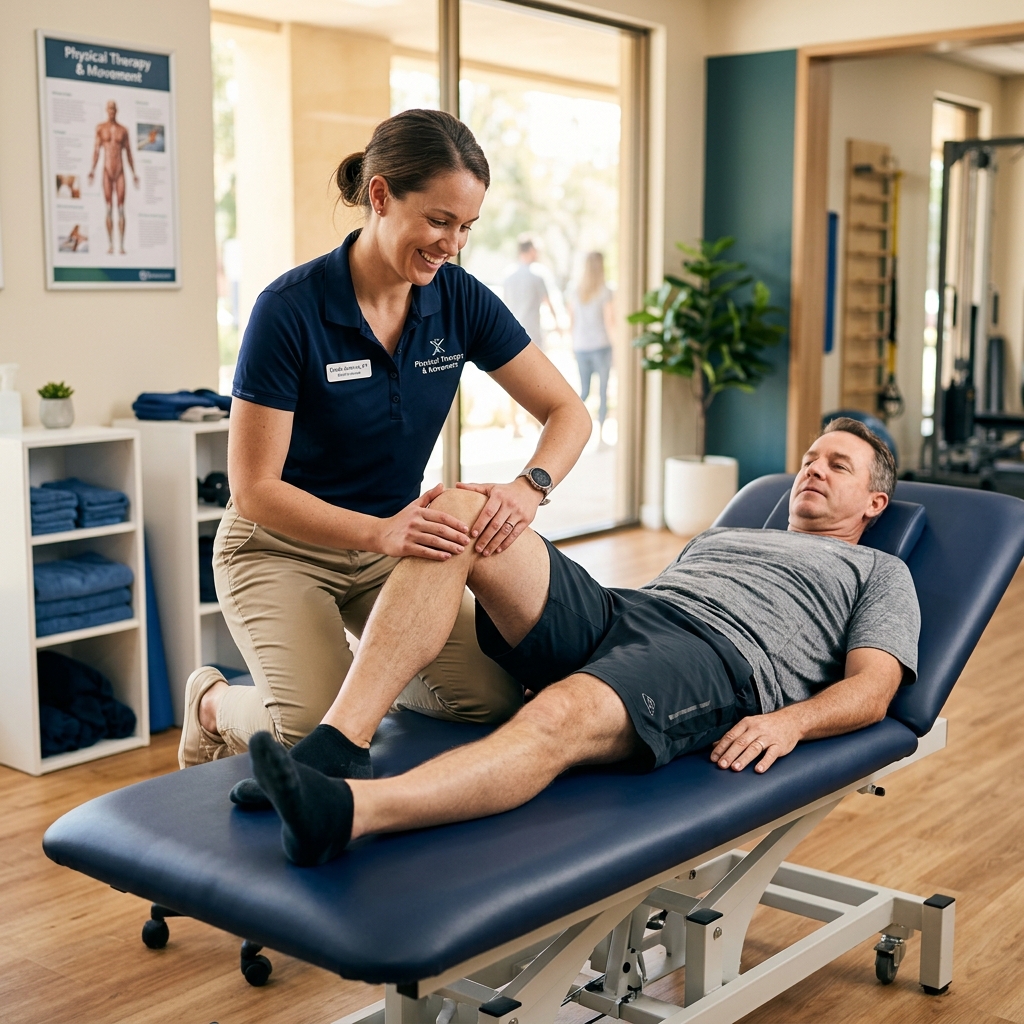
Caregiving for PCS
Caring for a loved one with PCS can feel overwhelming, especially when the injury is invisible to the outside world. Whether you're a parent advocating for a child or a family member supporting an adult with PCS, your role is incredibly important. Patients with strong support systems consistently have better outcomes.
From believing your loved one and validating their experience, to preparing for setbacks and knowing when to seek help in a crisis, there are many ways to show up meaningfully during their recovery. But it's equally important to take care of yourself along the way. You don't have to do this alone. We have resources and peer support to help guide you through every step of the caregiving journey.

EXPLORE RESOURCES
PCS Resources & Support
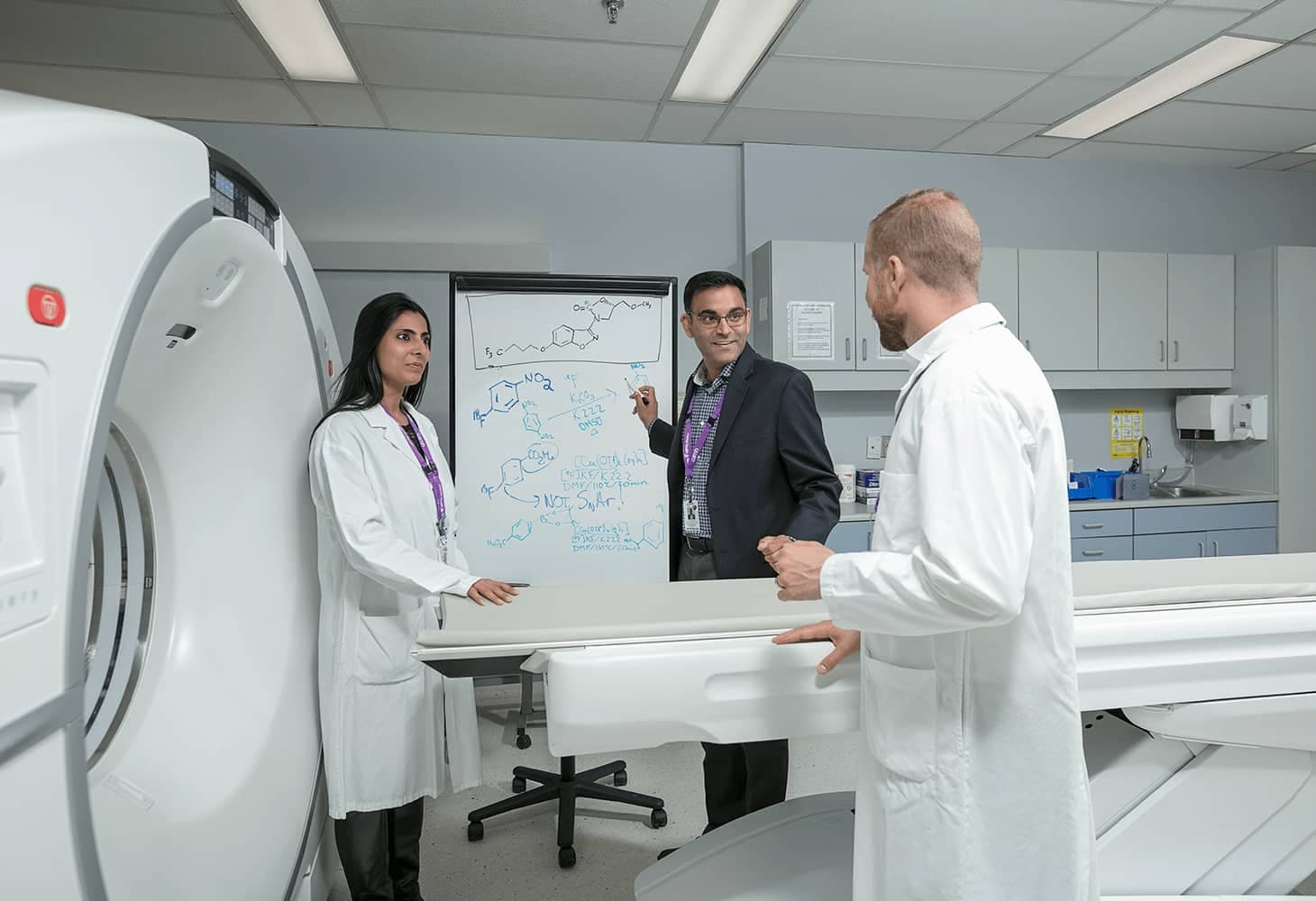
Navigating PCS can feel isolating, but a wealth of resources and support is available to help patients and caregivers every step of the way. From in-depth information on PCS symptoms and risk factors, to treatment options, coping strategies, and caregiver guidance, this resource hub brings together expert advice, personal stories, recommended videos, and free downloadable materials all in one place. Whether you're newly diagnosed, deep in recovery, or supporting a loved one, the CLF HelpLine is here to connect you with personalized guidance on treatment, recovery, and more. You are not alone in this and there is always somewhere to turn.

%2520(1).jpg&w=1920&q=75)
.jpg&w=1920&q=75)
CLF HelpLine
JOURNEYS OF HOPE
Your Impact:
Stories of Courage
Below, you’ll find a gallery of stories of loss, recovery, community and hope to help patients and families who are struggling.

Mackenzie’s Year With PCS
Mackenzie recounts her year-long struggle with a concussion, detailing its profound impact on her life, the invisible weight of PCS, and her eventual path toward healing and hope.
.jpg)
.jpg)
SUPPORT OUR MISSION
Help Us End Brain Injury.Donate Today.
Your contribution directly fuels life-saving research and provides essential support to kids, Veterans, caregivers, athletes and families across Canada facing the challenges of brain injuries.