Personal Story
My Battle With Post-Concussion Syndrome
Michael Corneau recounts suffering three concussions as a competitive hockey player, the onset of Post-Concussion Syndrome, and his daily battle to stay optimistic on the long road back.
Back to Personal Stories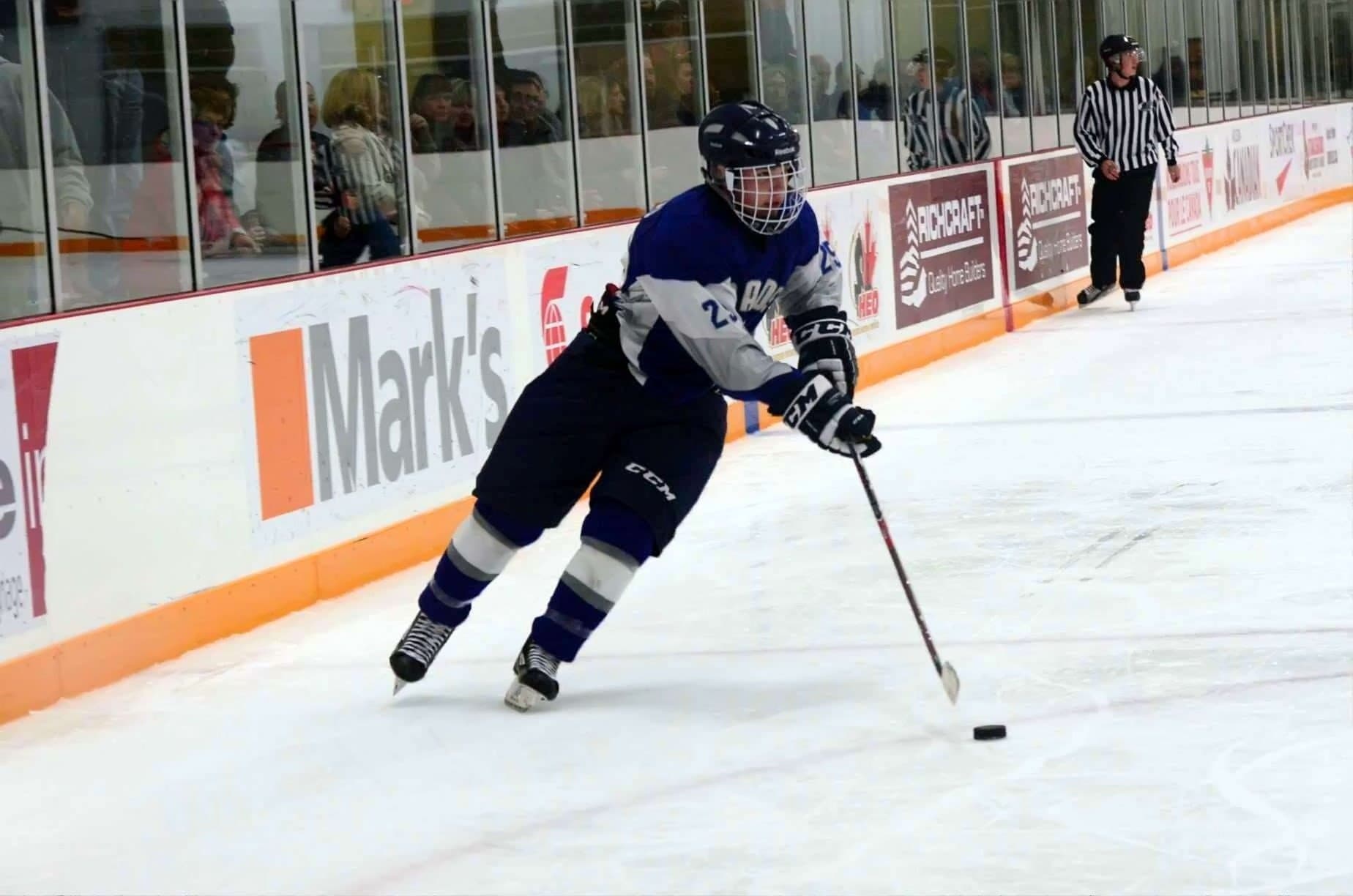
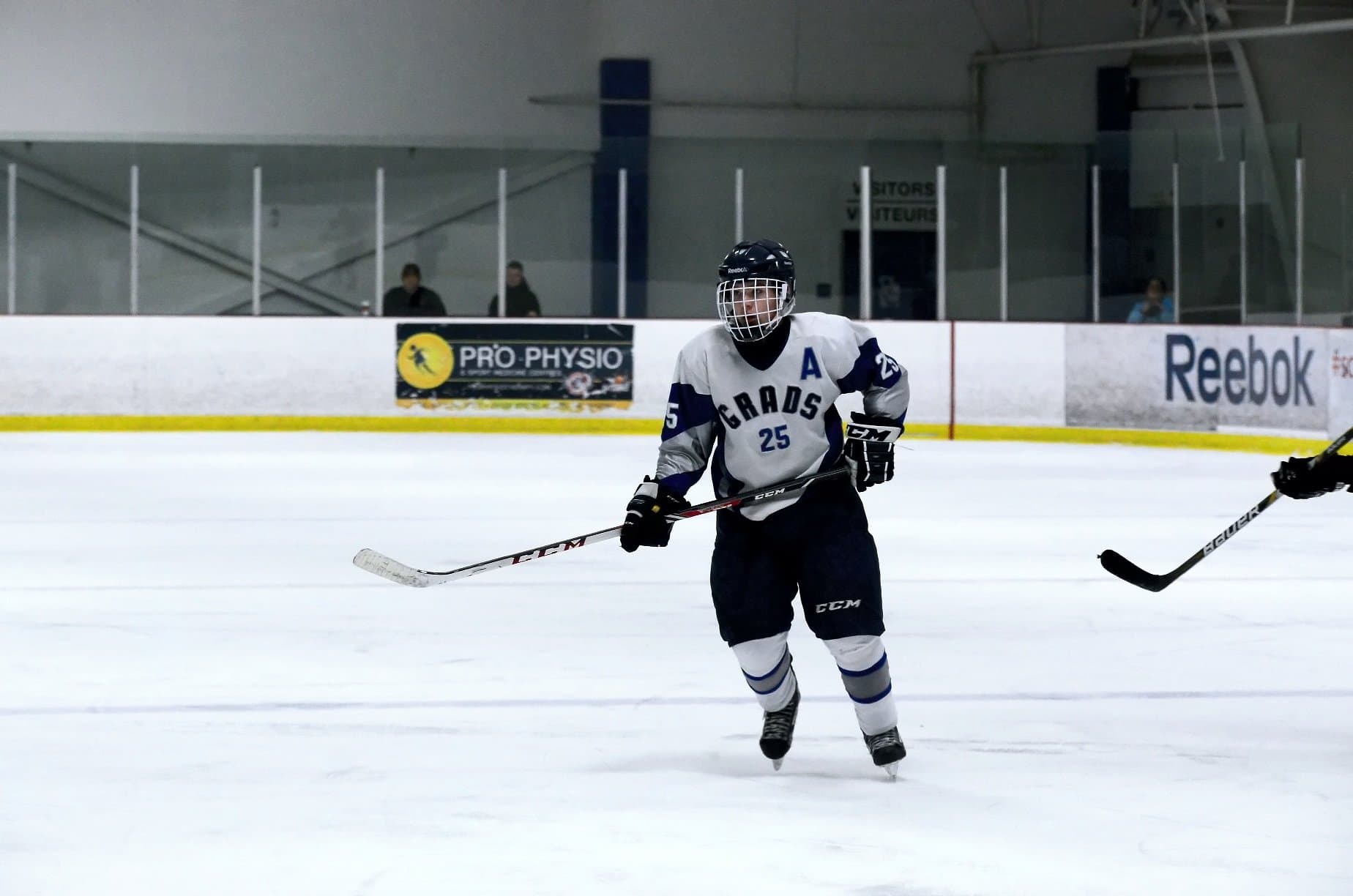
My name is Michael Corneau. I am 18 years old and I currently suffer from Post-Concussion Syndrome (PCS). I am an avid hockey fan, a supporter, and a former player. I played competitive hockey for the majority of my career. I just loved the competition of driving around Eastern Ontario, the rivalries with certain teams, scoring that game-winning goal in the final seconds of the third period to put my team ahead, and doing it all with friends I've competed with my entire life.
I started playing hockey as soon as I became eligible, playing under the 'Timbits' hockey program. As early as I can remember, I fell in love with the game. I would not trade my years of experience, competition, and fun I had playing hockey for anything. I've gained life lessons that will forever be ingrained in my character, like developing leadership qualities, instilling trust into my team, and learning to be disciplined and punctual.
The First Concussion
In 2013, I was the victim of a concussion. In a playoff game, I received an impact to the head from the hit of an opposing player. His hands came up under my chin and I was flattened on my back. To my own detriment, I was unaware of the signs and symptoms of a concussion, and the seriousness with which they should be treated. So, I returned to play. A trainer or teammate should have flagged that I was hit very hard in open ice. I did not have an immediate headache after the impact — it was only after the game that I started feeling 'off' and that is also when my headache began.
Four days later, I was playing in another game when I received a smaller impact to the head. The opposing player's elbow grazed my head, but it was enough for me to notice that I did not feel myself, and hadn't been myself for more than four days. I started feeling a headache and slight dizziness, and I knew I needed to step out of the game.
I saw a concussion specialist who informed me that I had experienced Second Impact Syndrome — this occurs when a person receives a concussive impact, and then receives another significant impact to the head within a short time frame. It took around six months of rest before my symptoms cleared up. I was out of school and sports for the entirety of that six months. Just over a year later, in December of 2014, I suffered another concussion. Luckily it was minor, and I was well equipped with the knowledge I needed to take the proper precautions.
A Return — and a Third Hit
After that hockey season, I made the tough decision to take a couple years off contact sports. However, in the fall of 2016, I decided to play contact hockey for one last time with friends I grew up with. During the first game of the season, I was hit to the head by an opposing player. The pain in my jaw overpowered any thoughts regarding another concussion. When I got home later that night, I was feeling off — I recognized the feeling from my previous concussions. My mom took me to the hospital the next day, and the diagnosis turned out to be positive for concussion.
When PCS Takes Hold
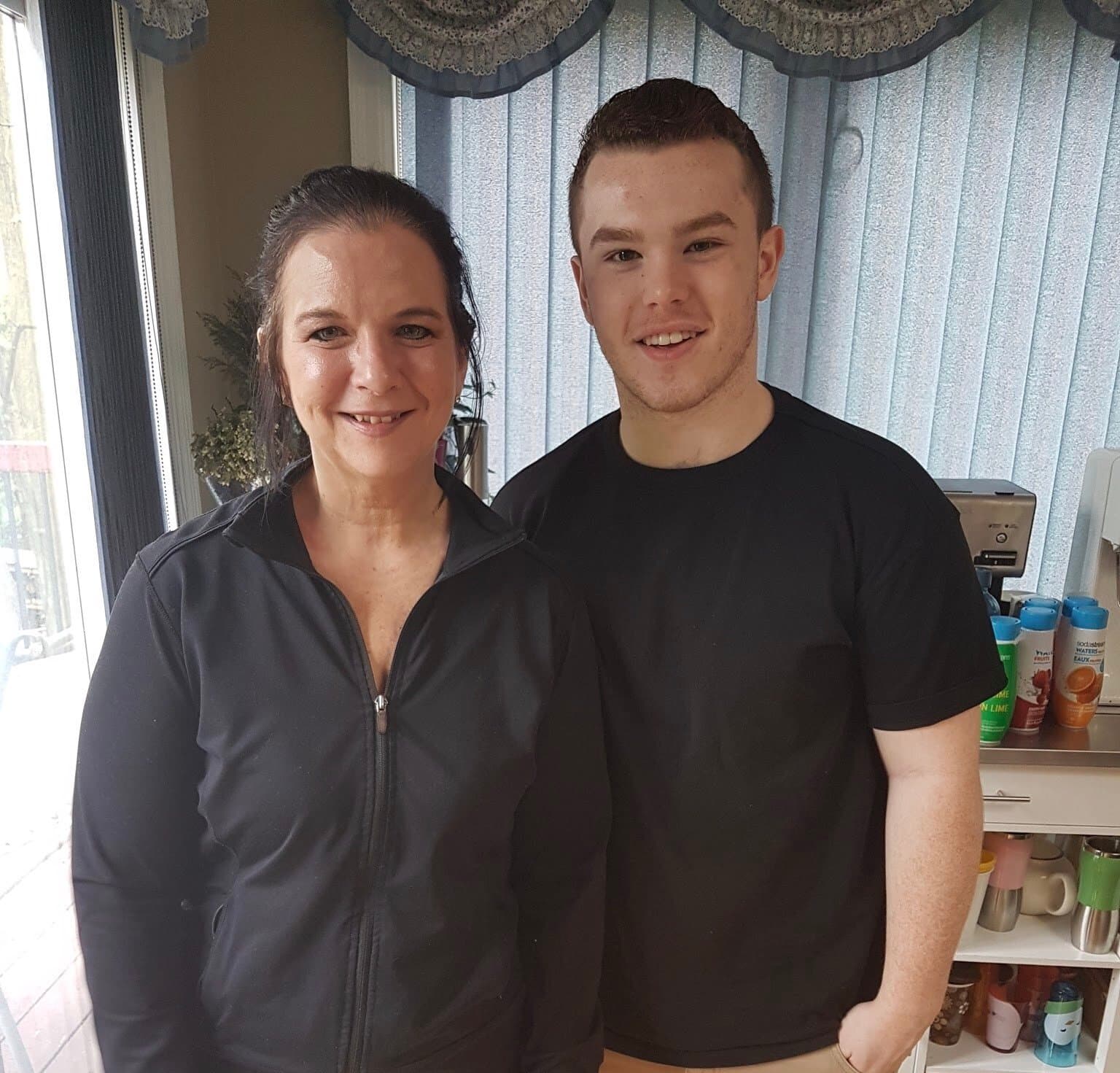
After a couple months of rest away from school, work, and friends, I did not show any improvement. My specialist determined that I had progressed into the PCS stage. Post-Concussion Syndrome is a stage in which your concussion symptoms have persisted longer than the normal course of recovery. PCS is a stage in which your body can be constantly on high alert — your body cannot find a way to reassure itself, which can exhaust you without any physical activity. This is caused by an amygdala unable to stop subconsciously scanning for threats, causing muscles to tighten throughout your body.
Although the physical aspect of constant muscle tightness can be exhausting, it created a constant anxiety within me which I had not dealt with before. This limits my ability to be out of the house because when I am out, my alertness increases and worsens my anxiety. My average "outing" is going to the grocery store with my mom. It becomes less manageable based on how busy it is — because of the brightness of the lights, the people, and the constant background noises. This is a very normal task for someone else, but depending on the stimulation, this could worsen my symptoms and take me out of commission for the remainder of the day.
Living With Misunderstanding
Through my journey, I've found out the hard way that concussions are often misunderstood by people who have never been educated about them. Concussions are not like any other injury — there is no approximate time frame for full recovery. If people couldn't see the injury, they assumed I was fine. Classmates struggled to grasp why I was not in school for a long period of time, yet could occasionally be seen at a grocery store or have a friend visit.
Truthfully, I never took what people thought to heart. Whether it was the many appointments with various doctors, the acupuncturist, the massage therapist, or the neurologist — the only person who fully understood was my mom because she was always alongside me.
The Road Ahead
As frustrating as that misconception can be, I chose to accept it and work through it. The only person that can dictate my recovery is me, by knowing my limits. I know I will get better eventually. The way I see my concussion and its limitations is that it just put my life on pause until I am ready to take it on again. I may not have gotten my diploma at the same time as my fellow classmates, I may not still be working and making money like my friends are — but I will when this blows over. For now, the only thing I'm working on is my recovery.
I have had a concussion for about 11 months now. The one thing that helped me day in and day out was optimism — whether it was through others or reminding myself that I will eventually get back into what I was doing before this concussion occurred. I often told myself that my life was just on pause, that I was just sidelined, and I will succeed in what I wanted to pursue once I recover.
SUPPORT OUR MISSION
Help Us End Brain Injury.Donate Today.
Your contribution directly fuels life-saving research and provides essential support to kids, Veterans, caregivers, athletes and families across Canada facing the challenges of brain injuries.