
Personal Story
Heads Up — It Gets Better
In this sequel to The Diary of a Concussed, Stéphanie Ranger reveals how she finally beat PCS through three pillars — mind, body and soul — and shares 5 practical brain-health tips for fellow survivors.
Back to Personal Stories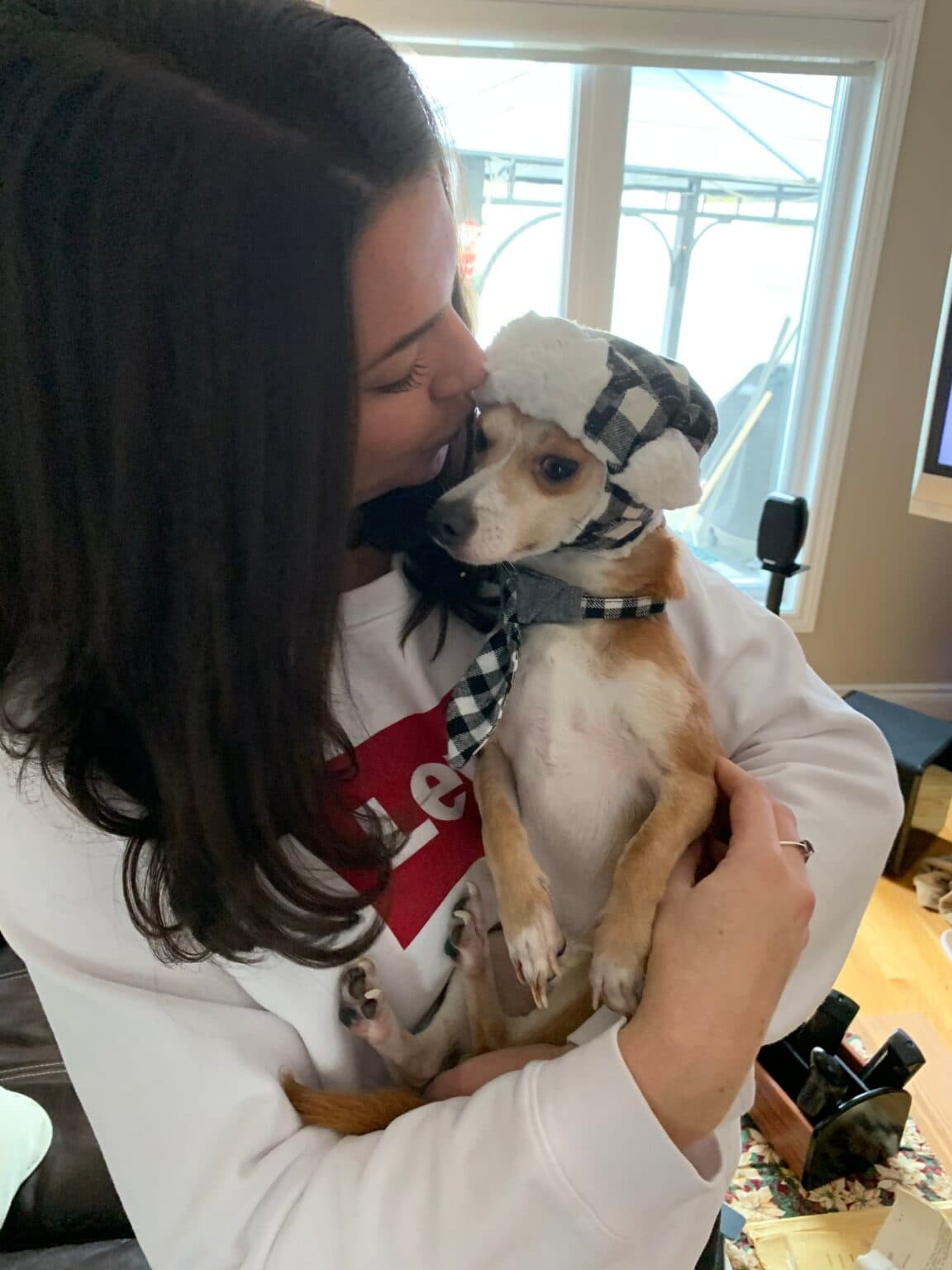
In the sequel to The Diary of a Concussed, this is the second and final part of my healing process. How did I beat this invisible monster? Looking back on my journey, my healing process was based on three integral components: mind, body and soul. These are all things that you can do for yourself. A year later, I've learned that concussions are treatable and that the cure for this injury isn't limited to only time and rest.
The Turning Point
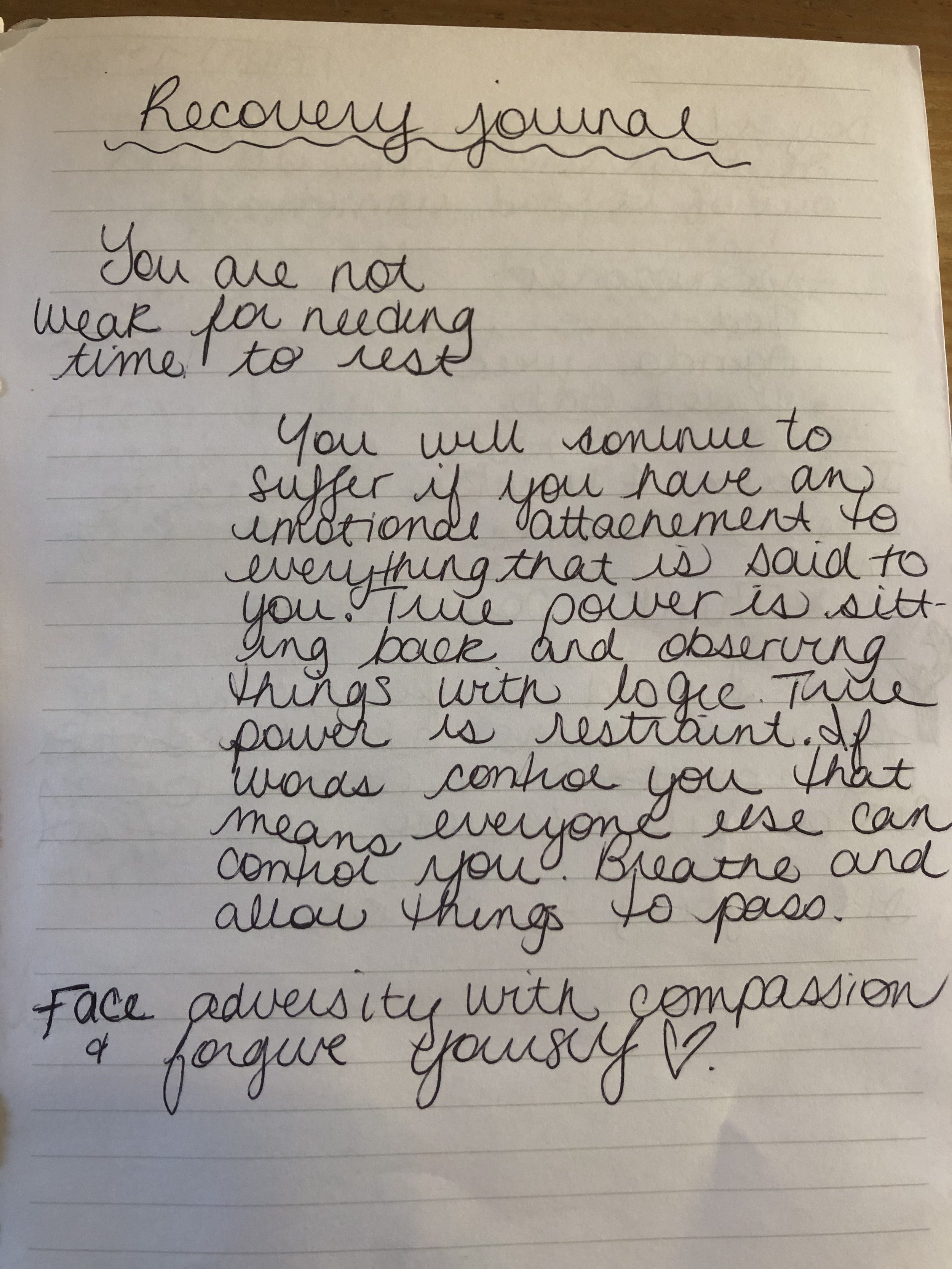
A week after publishing The Diary of a Concussed, I went to dinner with a few girlfriends to celebrate my 28th birthday. I was having a great time until my party got crashed by an unwanted guest — my PCS side effects. The feeling was back: my head was spinning, I was dizzy, I couldn't focus on the conversation anymore, I had a pounding headache and I felt my chest tightening due to anxiety. The atmosphere was too stimulating for my brain. So we left and hung out at my friend's apartment instead, where it was quieter and calmer.
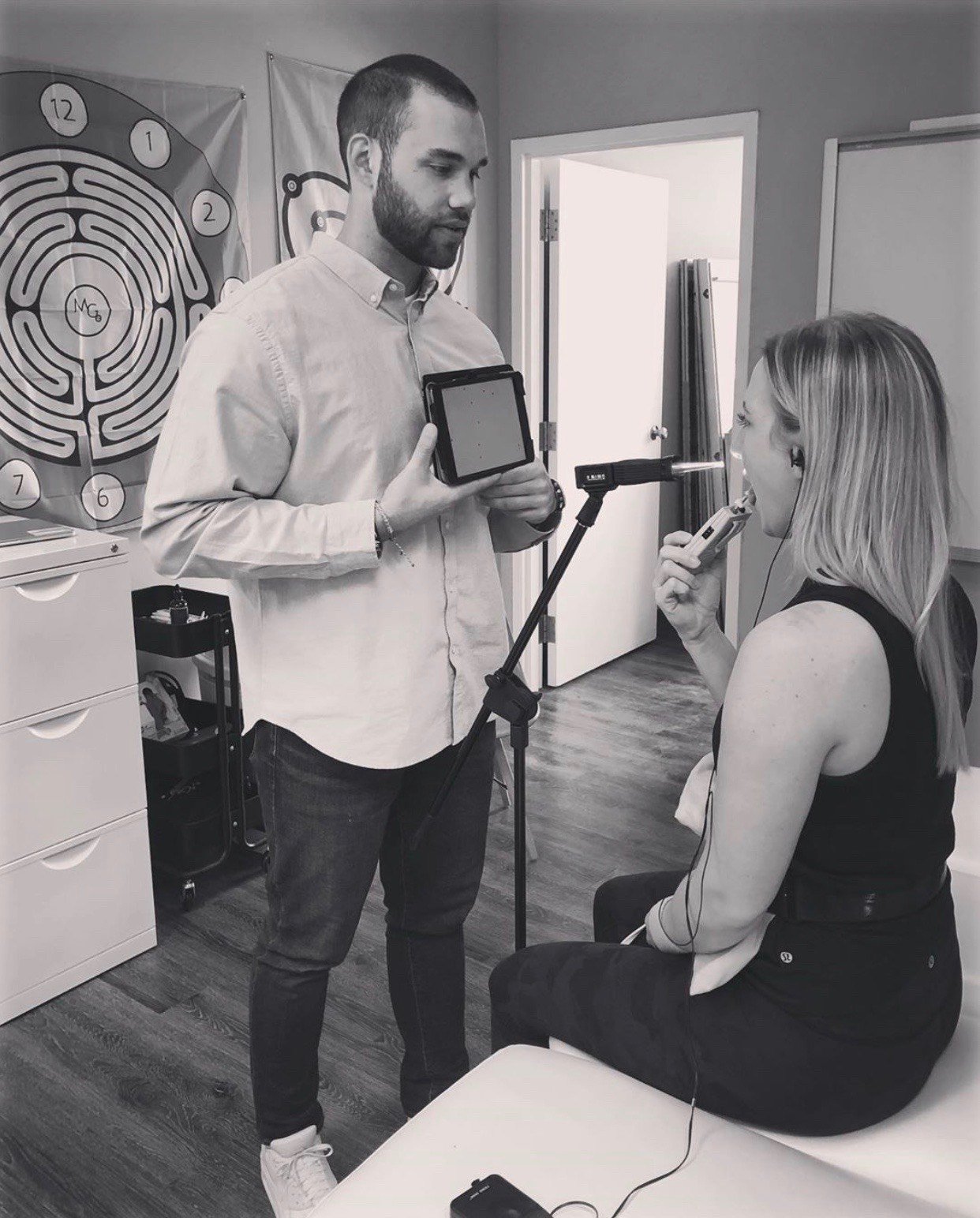
At that point, I didn't know what to do anymore. I felt stuck. That's when a friend referred me to a Concussion Rehabilitation Program. After being seen by more than a dozen doctors, I had just about given up on finding someone who could cure me completely. However, I decided to give it one last try and travelled to Ottawa for the program. For the first time, someone performed a thorough evaluation in order to customize a treatment plan based on my unique problem areas. The doctor was able to pinpoint the exact cause behind my lingering symptoms and targeted the damaged areas in my brain. I was discharged in a matter of days, and since the program, I've noticed big improvements: I am now able to get through my work days without having to nap afterwards. My dizziness is almost non-existent and the frequency and intensity of my headaches have significantly diminished.
Mind, Body & Soul
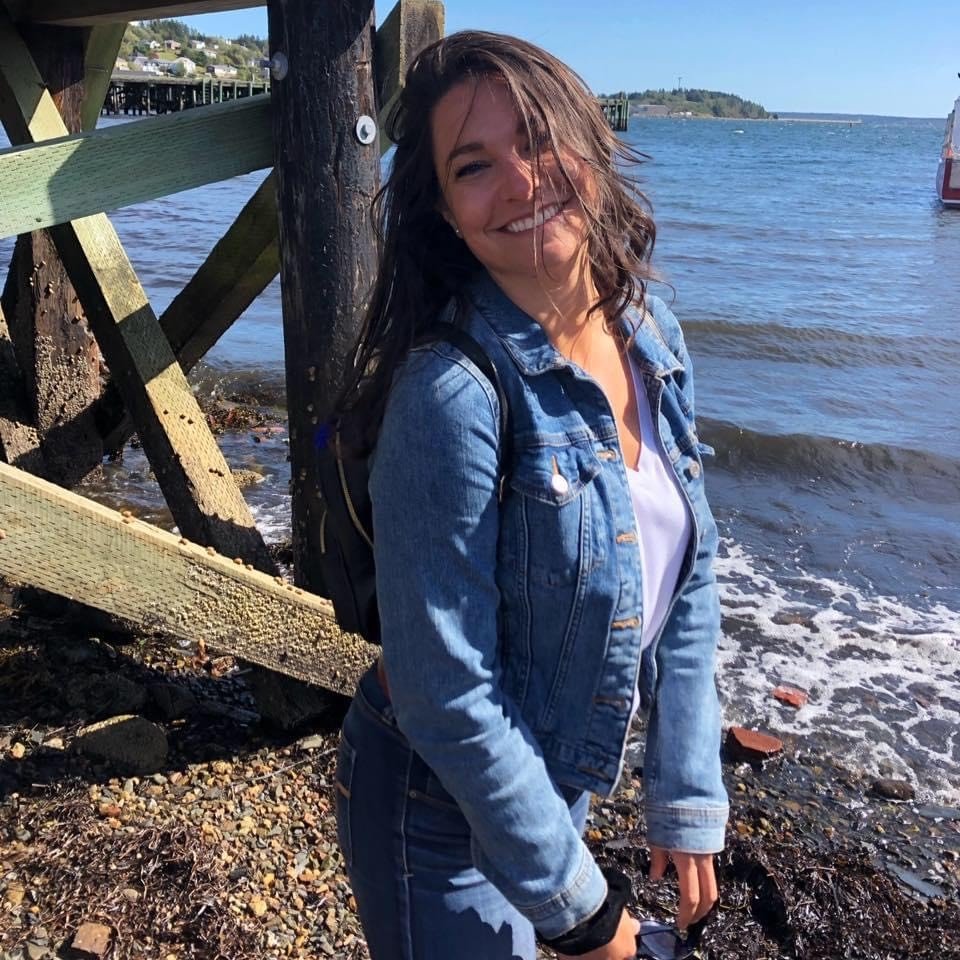
Mind — My mindset was everything. Letting go of toxic relationships, avoiding gossip and drama, and slowing down were aspects which allowed my mind to be at ease and become an asset in my recovery. When you are grateful, you are happier. Being thankful is being content with the current situation you are faced with — and there is always something to be grateful for.
Body — Nutrition, good sleep hygiene, water intake and moving my body were the first pillar of a healthy brain. Food is fuel. Food is medicine. Exercise not only has physical benefits but mental benefits as well. Find something that you enjoy doing — walking, running, swimming, biking, weightlifting, yoga. In order to have a healthy brain, it's important to get your blood flowing.
Soul — For me, my strong faith is what contributed to a significant part of my progress, especially towards the end of my healing process. Cultivating a sense of purpose and connection — whether through spirituality, community, or gratitude — kept hope alive when everything else felt impossible.
5 Brain TLC Tips
1. Stress reduction. Stress is inevitable and life happens. Therefore, stress management is crucial in order to heal your brain. Cultivating healthy relationships, journaling, getting proper sleep, learning to say no and setting boundaries are things that have been helpful in minimizing my stress levels.
2. Diet & supplementation. We all know that nutrition plays a key role in our health. In addition to a well-balanced diet, I take supplements to boost my brain function.
3. Exercise. Find something that you enjoy doing. Exercise not only has physical benefits but mental benefits as well.
4. Gratitude. Start your day by writing down three things you are grateful for. Be specific — instead of writing that you are grateful for your health, be grateful for your eyes and the ability to see the beauty of the world. This really helped get through my dark times.
5. Mental stimulation. Hobbies and skills such as puzzles, games, sudokus, learning a new language, drawing, and reading will stimulate your brain. We must exercise our brain the same way we exercise our bodies.
In conclusion, the past year has been the most challenging mountain to conquer. The injury itself was physically difficult, but the psychological aspect was at times unbearable — and this is exactly why I'm advocating for concussions. The stigma needs to end. In hindsight, I can confirm that difficulties are essential for our growth. Throughout this process, I learned the true meaning of patience and persistence. For that, I am truly thankful. Sometimes what you don't want turns out to be exactly what you need.
— Stéphanie Ranger

SUPPORT OUR MISSION
Help Us End Brain Injury.Donate Today.
Your contribution directly fuels life-saving research and provides essential support to kids, Veterans, caregivers, athletes and families across Canada facing the challenges of brain injuries.