Personal Story
Shattering the Stigma: It's Time for a Hand Up
Geoff Moore shares how two concussions and a mental breakdown taught him that everyone is vulnerable to being "pinned" — and why shattering stigma is the first step to getting back up.
Back to Personal Stories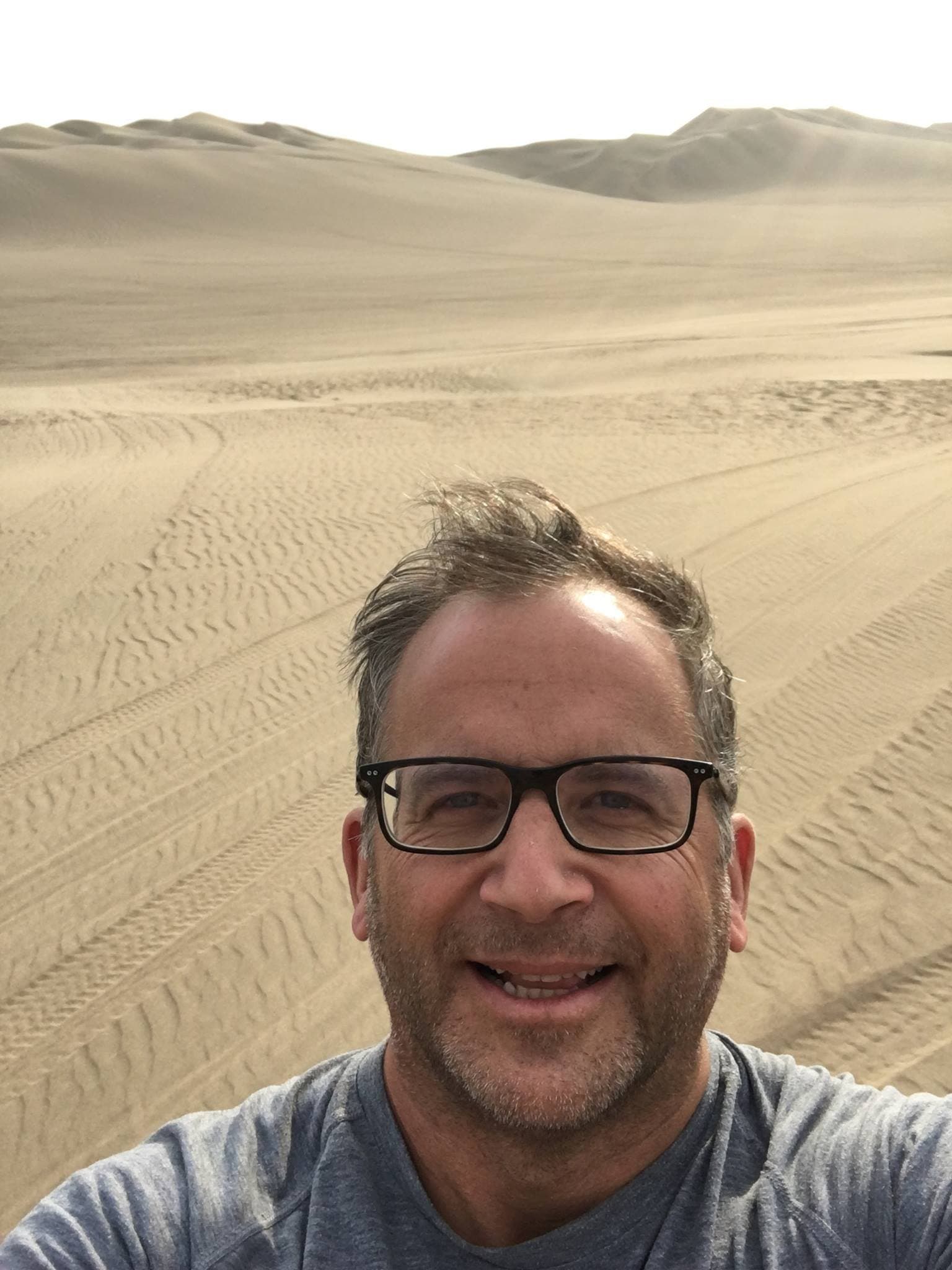
Geoff Moore is a proud husband and father of four children. He is an active volunteer and second-time entrepreneur with a passion for sustainable finance. Having drawn lessons from his experiences and those of many others on being "pinned", Geoff has a strong drive to offer a hand up to people who are struggling — through stories, conversation, and advocacy.
The First Hit
It would have been wonderful if my parents had access to an organization like Concussion Legacy Foundation Canada back when I was in the fifth grade. What began as a normal, carefree day in elementary school changed in an instant when one of my friends stuck out his leg to tag me while I was sprinting past him playing British Bulldog, and I went head-over-heels, unable to stop my head from hitting the pavement. My vision immediately blurred, a huge headache began, and when I put my hands up to my head I felt a large welt swell rapidly. I was brought to the Children's Hospital and kept overnight for observation. I continued to have unpredictable migraines throughout the year, and would regularly go home to bed, close my eyes and often cry myself to sleep when the pain was not tolerable. I was interested in hockey and football, but for years did not engage in either sport because each time I tried putting on a helmet, I would get a very painful headache right away.
I had my second confirmed concussion during CEGEP while playing for the school's rugby team. During a game against our main rival, I was kicked in the head by an opponent while coming out of a ruck. I had no idea where I was — after giving me smelling salts, our trainer decided it was clear I needed to get off the field when I began answering his questions by referencing the Flintstones cartoon series. Funny in some ways, but in reality not for me. My mind was in a fog for many weeks, I regularly felt sick and did poorly on my midterm exams.
Being Pinned
A couple of decades later, I started my first entrepreneurial venture. The success I had at big companies did not translate as readily as I'd expected when I passionately tried to start a company from scratch. I dedicated the company in part to my late father — my greatest hero and a World War II vet. So while this helped provide initial motivation, it also added enormous pressure when I struggled to keep the company going after close to two years. I felt I had let him and my family down in a huge way. Over the final few months I was not sleeping much, not eating properly, and had stopped all athletic activities to dedicate myself fully to the business. Anxiety was building and my ability to function was weakening. Without going into details, I was hospitalized for five weeks with a mental breakdown. My doctor told me during my hospitalization that everyone has a breaking point, and I had found mine.
However, intense experiences can be great teachers. The objective of what I want to share is to ease the pressure on people in crisis through everyone recognizing their common humanity. The analogy I want to use is one from the gym. Take an air bar — 45 pounds, the lightest bar — and do as many bench press reps as you can. But there is one twist: the reps only count once you can no longer lift the last rep off your chest. How much does the weight feel like now? It is still just the same 45 pounds… but it now feels like hundreds, right? And no matter how strong you are, you are pinned. You cannot get up on your own. Are you weak? No. You are just like everyone else — you've reached a breaking point where even the lightest load is unbearable alone.
Shattering the Stigma
People looking at anyone in the gym pinned under 45 pounds would not understand how someone allowed themselves to get into that situation. But people who are pinned in real life do not choose to be there. Unfortunately, they often don't come forward for help because they fear stigmatization — and their own weakened state and the resulting self-talk is also weighing heavily at the time. The challenges that lead to someone being pinned are not always visible to others. Shattering stigma is very important. One way this can happen is when people understand their own vulnerability to being pinned. No one stands alone — we all share a common vulnerability depending on what life throws at us.
Your Red Bike Moment
When you are struggling — pinned — you may see no way out. You may feel you have lost your identity. You need hope. You need help. You need reference points from the many people who have been there in similar situations. You are not alone, and the weight can start lifting with that knowledge.
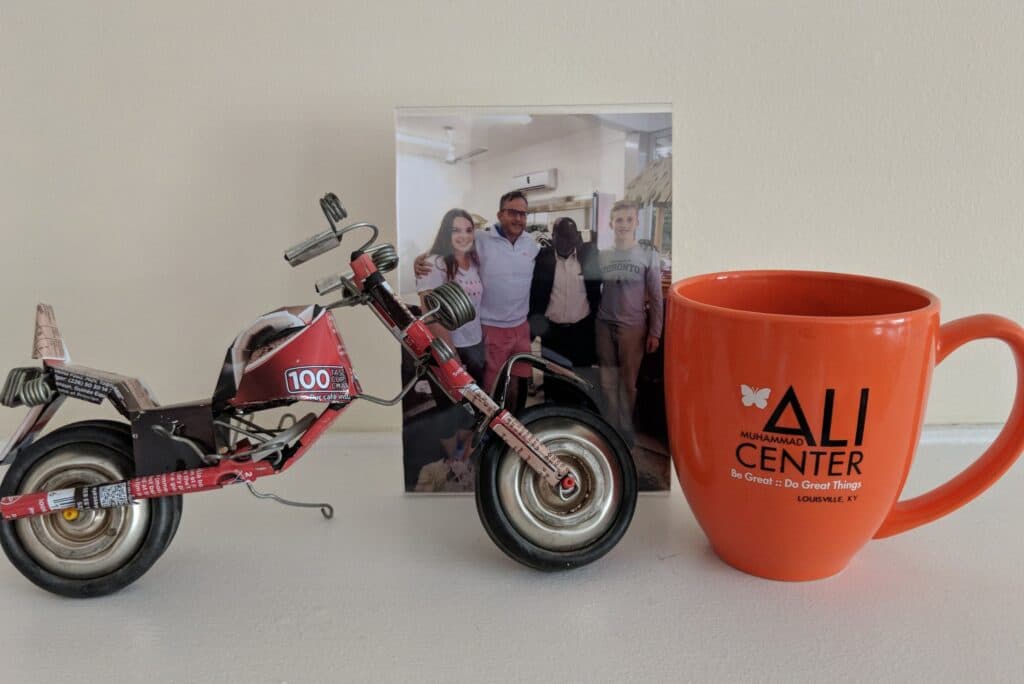
At the Muhammad Ali Center in Louisville, I learned about the "Red Bike Moment." When young Cassius Clay was twelve, a thief stole his new red Schwinn bicycle. In tears, he found a policeman to report the crime — that officer was Sergeant Joe Martin, who trained boxers. He encouraged Clay to learn to fight before seeking retaliation. Clay showed up the next day and spent the next six years training under Martin. Had young Cassius not been the victim of a stolen bicycle, his life would certainly have taken a different path.
Nobody wants to have concussions or mental health challenges, and I am not trying to downplay the complexity of these issues or purport to have any magic solutions. What is a fact is that everyone is vulnerable to being pinned when life plays hardball. By realizing and admitting this fact, hopefully we are all one step closer to seeking, accepting, and offering a hand up when it is our turn — as this is the first step in getting an appropriate team in the game to help turn adversity into the hopeful potential of a new chapter and a personal "Red Bike Moment."
SUPPORT OUR MISSION
Help Us End Brain Injury.Donate Today.
Your contribution directly fuels life-saving research and provides essential support to kids, Veterans, caregivers, athletes and families across Canada facing the challenges of brain injuries.