
Personal Story
Dodging Punches and Raising a Family
Jean-Martin Gauthier, a boxing executive from New Brunswick, shares how seven concussions — sustained in hockey rinks and boxing gyms — reshaped his career, his finances, and most importantly, his bond with his children.
Back to Personal Stories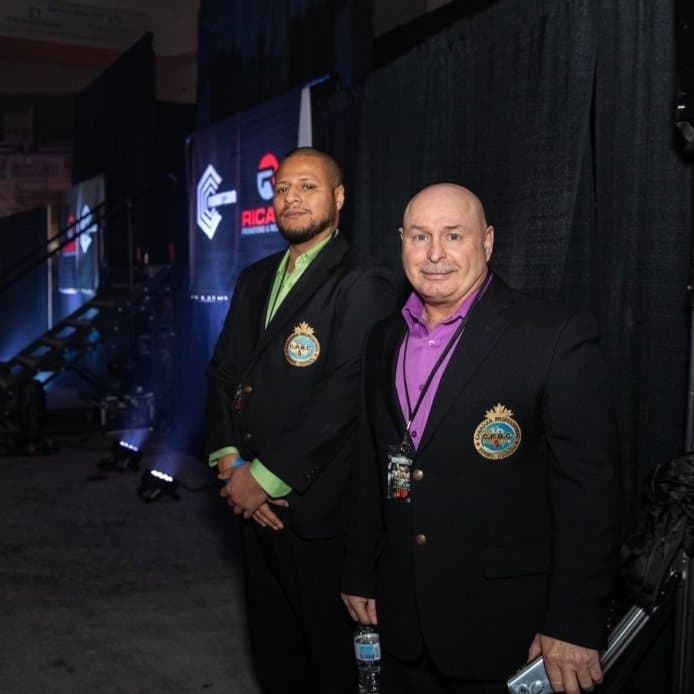
Jean-Martin Gauthier has immersed himself and his career in the world of boxing and combat sports. We talked to him to ask what the current outlook of concussions and boxing are like in Canada, as well as his own experience with concussions and how his recovery has affected his young children.
Can you give us a brief background of your involvement with sports?
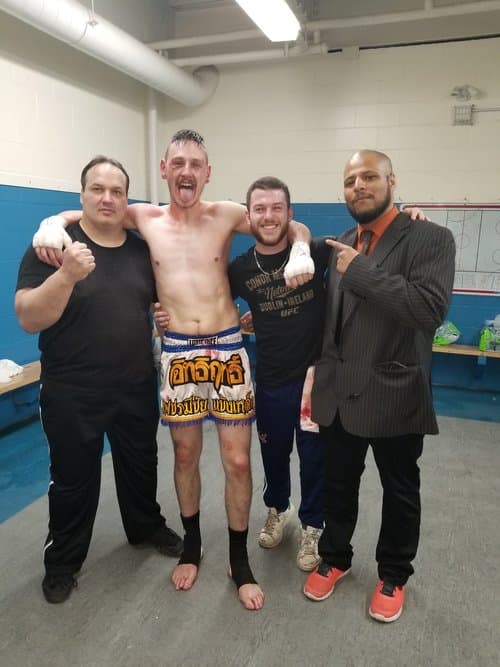
I went through the regular process, played minor league hockey from age four until 17 and was on and off training in boxing gyms during the offseason. Hockey was my first love and quickly branched with Boxing. In both sports I went from fan to athlete to coach. I was President of the Senior Hockey Team we have here in New Brunswick for a little while, and am now working in an executive position with the CPBC (Canadian Professional Boxing Council) & the CWBA (Canadian Wheelchair Boxing Association). I am also occasionally working with the NBCS (New Brunswick Combat Sports Commission) as a dressing room inspector. I really love the time I get to spend with the fighters before fights. Dressing rooms before fights are a very special place and I am very grateful to have the chance to help out, meet great human beings and work in an industry that I genuinely love and respect.
Working in boxing, how are concussions handled and where do you see the need for improvement?
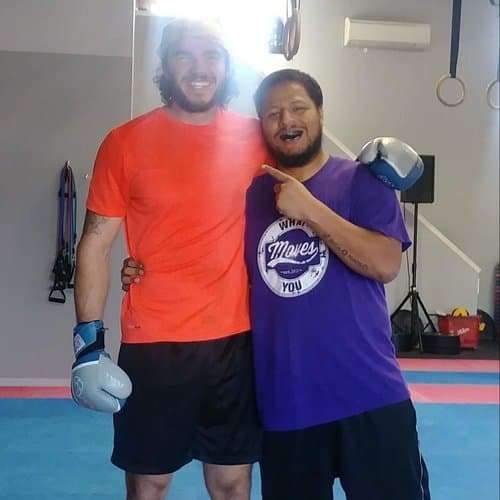
The Commissions in Canada have collectively moved forward with their own post-fight concussion tests and the officials are constantly made aware to always protect the fighters' health. The real work, the real education, needs to be directed to the boxing gyms. Time and effort should be put into educating general boxing gym members, so they understand what to look for and recognize if a fighter is injured. Coaches should also be trained and made aware of concussions, symptoms, and their effects.
The real damage happens in sparring. The fighters take way more damage in the gym than they would have taken in a sanctioned fight. Teams, gym owners, and gym members need to hold themselves accountable and protect their fighters' heads between fights. The concussions that are reported are treated properly – but only when reported or diagnosed.
What has been your experience with concussion?
Yes, my most recent concussion happened in a boxing gym, but all of my previous six concussions happened while playing minor league hockey and the infamous boxing matches that occurred in change rooms amongst teammates with gloves and helmets on.
For my most recent concussion, I got to experience a family lifestyle that some people reading this would never allow themselves to live. My forced recovery made me realize that although I had people around me supporting me as an individual, they did not support concussions. You will constantly have to prove, defend, and protect your concussion symptoms from “the non-believer”. From personal experience, I would suggest to accept that fact right off the bat.
What was your recovery like?
It was very effective to say the least. The first weeks of cognitive rest were incredibly hard and it took me forever to progress to the next step. Then I dropped back to complete cognitive rest again; back and forth. At first it was hard to actually stick to the recovery plan and explain to my entourage that I was going off the grid for a while. Then came the realization of “how bad” my brain actually was. Then came the odd panic attacks when thinking about money and my professional future. So, I had to block those thoughts for a while. I slept a lot and discovered the beauty of podcasts during that time.
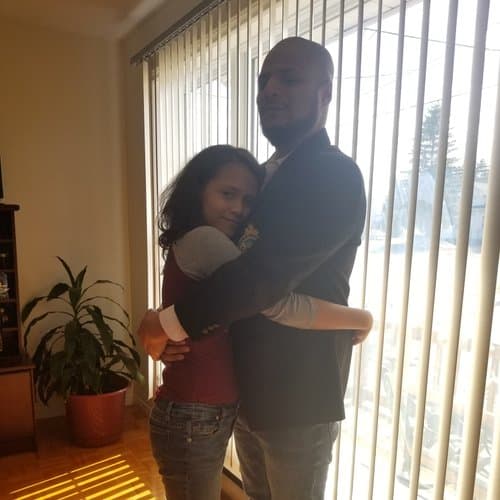
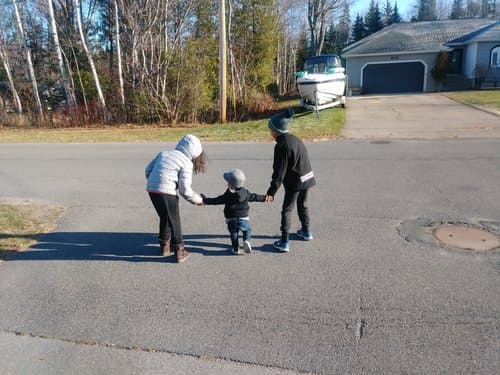
The best part of the recovery was to spend time with my kids and catch up on lost time. It also helped me to grow as a person, build a thicker skin, and to assume the consequence of my actions. It was also tricky at times: meaning that a 2 year old toddler doesn't really understand the word “migraine” and my oldest loves to play and stay active. I box with my daughter and play hockey with my oldest son. For a kid that sees and talks with their dad, it's all the motivation they need to find fun activities to do. We learned how to channel that enthusiasm.
I shortened my social circle, I got to see my kids more than I ever did before. I created a company out of thin air inspired by my kids, and learned so many new skills. Yes, I can't do everything the same, but you win some and you lose some.
How did it affect your personal life?
It costs money to recover from a concussion. The biggest impact on my personal life was that we took a huge step back financially and lost our house because I went completely broke. Prior to living the Hurt Business lifestyle full time, I was the Assistant General Manager for Goodlife Fitness. I voluntarily quit my career to move into the village and focus purely on my kids and working in the fighting world as it is my passion, my dream. This means that I did not qualify for employment insurance.
Socially, it was eye-opening. Family-wise, it was a blessing in disguise. I pretty much went completely MIA for a solid year. Deleted my Facebook, changed my phone number, and only left the house to meet the kids somewhere or get the occasional groceries. I learned to cherish that lifestyle and became very happy with who I was and who we were as a family.
How have you explained your concussion and recovery to your children?
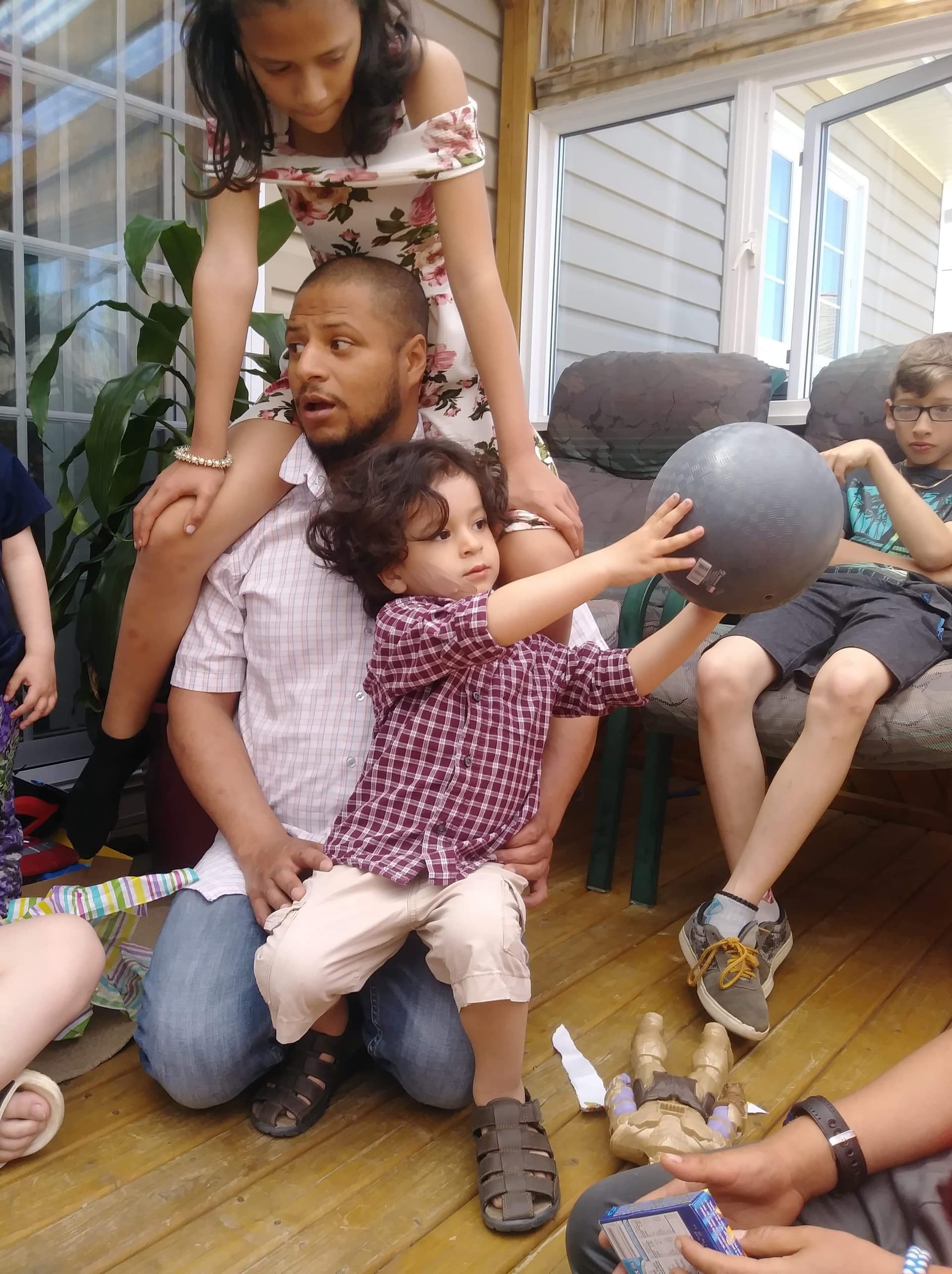
My kids are my favourite human beings on Earth. They are not only intelligent but they always seek to understand what's around them. It was easy for them to understand that Dad had a concussion and couldn't work because he gets migraines. They are grateful that they get to spend that much more time with their dad.
I told them plain and simple that the stories won't stop and they can't control the who and what, but can only control if it affects them or not. As parents, we need to explain situations to kids so they can understand. I explain to them that I need to recover to live a better life long-term with them and the price to pay is our low-income life for a year or two. The ends justify the means.
Families – be patient, master your stories and do not forget that a proper recovery really is a small price to pay for a functional lifestyle. Keep in mind that it could be worse and sacrifices and hard work always pays off. Be patient.

SUPPORT OUR MISSION
Help Us End Brain Injury.Donate Today.
Your contribution directly fuels life-saving research and provides essential support to kids, Veterans, caregivers, athletes and families across Canada facing the challenges of brain injuries.